


Robotic Surgery

Advancing Surgical Excellence at UHS
At UHS, we are dedicated to delivering exceptional patient care and leading the way in healthcare innovation. In line with this commitment, UHS launched our Robotic Surgery Program in 2019, continually expanding and enhancing its capabilities to offer patients the most advanced surgical options available.
In 2025, UHS became the first healthcare system in the region to introduce the Intuitive DV5 surgical robot – setting a new standard in precision and minimally invasive care. To date, our skilled surgical teams has performed thousands of robotic-assisted procedures, helping patients experience faster recovery times and improved outcomes.
What is Robotic Surgery?
Robotic surgery is performed by your surgeon using a highly advanced robotic system as a tool to enhance precision and control. While the robot assists in the procedure, every movement is directed by your specially trained surgeon and supported by a skilled clinical team.
Surgical robots are part of a highly-advanced system featuring a magnified, high-definition, three-dimensional viewing system and instruments that maneuver and rotate far beyond the range of the human hand. This technology enhances the surgeons’ vision, dexterity, accuracy and control – allowing complex procedures to be performed through very small incisions.
During the procedure, your surgeon remains in the operating room alongside you and the robotic system, operating technology from a nearby console. From this console, the surgeon uses advanced controls to guide delicate, miniaturized instruments with exceptional precision. The system includes a camera cart and an instrument cart that work together to provide a high‑definition, three‑dimensional view with up to ten times the magnification of the human eye. The instruments mirror the surgeon’s hand movements but offer an even greater range of motion, while built-in tremor‑filtering technology ensures smooth, highly controlled movements throughout the procedure.
Robotic surgery is a form of minimally invasive surgery, offering benefits such as:
- Reduced pain and blood loss
- Smaller incisions and less scarring
- Shorter hospital stays
- Faster recovery times
Talk to your surgeon to learn whether robotic surgery is the right option for you.
Surgical Robots
UHS surgeons utilize three advanced surgical robots – the da Vinci XI, the da Vinci DV5, and the Ion, all made by the Intuitive company. The choice of robot depends on the specific procedure and your surgeon’s recommendation. UHS is proud to be the first hospital system in the region to offer procedures using the state-of-the-art da Vinci DV5.
Each surgical robot receives regular system updates and maintenance directly from Intuitive, ensuring optimal performance and safety. Founded in 1995, Intuitive continues to lead the way in robotic-assisted surgery, developing innovative technologies that enhance surgical precision and expand treatment possibilities.
Benefits of Robotic Surgery
Robotic-assisted surgery is available for a wide variety of specialties at UHS, including:
- Cardiothoracic surgery (heart, lungs, and chest)
- General surgery
- Gynecological surgery
- Urological surgery
These procedures are typically covered by insurance carriers, though coverage may vary. We recommend checking with your provider to confirm your specific benefits.
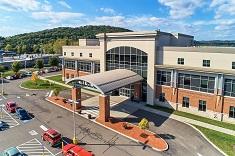
Robotic surgery at offered at both UHS Wilson Medical Center and UHS Binghamton General Hospital.
Available Procedures
Examples of robotic procedures and commonly treated conditions:
General Surgery:
- Colon surgery for colorectal cancer or disease
- Hernia repair
- Bariatric surgery for weight loss
- Cholecystectomy for gallbladder disease
Gynecology Surgery:
- Hysterectomy
Thoracic Surgery:
- Thoracotomy (exploratory procedure of the chest)
- Wedge lung resection (used to diagnose or treat lung cancer)
Urological Surgery:
- Prostatectomy for prostate cancer or BPH
- Cystectomy for bladder cancer
- Nephrectomy for kidney cancer, disease, or injury
- Bladder augmentation
What to Expect
What to expect with da Vinci surgery
Every day, thousands of people have a robotic-assisted procedure with the da Vinci surgical system. If you or a loved one will soon be one of them, it’s helpful for you to understand what robotic-assisted surgery is and what to expect the day of surgery. Because every patient and surgery is unique, be sure to ask your care team about your particular surgery.
Planning and preparation before surgery
The most important thing you can do before surgery is to talk to your surgeon and follow all instructions from your care team. Here’s a list of additional ideas to help you get ready for surgery day.
- Follow all care team instructions: Your surgery care team will provide a list of important instructions to follow before and after surgery. If you haven’t received a list, ask for one.
- Check your insurance coverage: To avoid unexpected medical bills, talk to your health insurance provider about your upcoming surgery. Find out what your insurance covers and if you need any preauthorizations.
- Prepare for limitations after surgery: Knowing what you may or may not be able to do after surgery (i.e. lifting, walking, driving, etc.) can help you make arrangements for at-home care, transportation, food, childcare, pet care, and other tasks of daily living.
- Pack a bag: If you may be staying at the hospital overnight, bring your toothbrush, toothpaste, deodorant, and other personal items you will need. Leave your valuables, such as your watch and jewelry, at home.
- Dress for comfort: Wear comfortable clothing and shoes for your surgery appointment.
- Get ready for check-in: Bring your identification, insurance cards, a copy of your Advance Directive, if needed, and a form of payment to cover any copayments that may be required by your insurance.
Prepare for your recovery
Your doctor may share a post-surgery checklist, but no two people are alike. Be sure to tell your doctor about your situation—your work and family demands, exercise habits, and activities that are important to you. By being specific, your doctor can let you know what you’ll need to do differently during recovery and when you can expect to get back to normal activities. Here are questions you can ask.
Care
What kind of care will I need when I get home? Will I need someone to stay with me full time? Will my care provider need to be able to lift me from a chair or bed?
Pain
How long does post-surgery pain typically last? What do I need to know about pain management medications?
Diet
Will I have any food or drink restrictions and for how long? Are there foods you recommend?
Activity
What activity restrictions do I need to be aware of, i.e, sitting in a chair, lifting, having sex, climbing stairs?
Getting back to normal
How long before I can return to work or resume my usual activities?
Exercise
How long before I can start exercising again?
Find a Provider
UHS’ robotic surgery program is built on a strong foundation of teamwork and expertise. Our multidisciplinary surgical team includes highly trained surgeons, anesthesiologists, nurses, assistants, and surgical technicians, all working together to ensure the best possible outcomes for our patients.
Each surgeon is specifically credentialed in robotic-assisted techniques and uses the latest technology to perform complex procedures with precision and care. Our entire team is committed to delivering a safe, efficient and positive surgical experience.
To date, UHS surgeons have successfully completed more than 1,400 robotic procedures.
Robotic surgery training is now a standard part of surgical residency programs. UHS invests in the latest surgical technology innovations so our patients may benefit from the most cutting-edge advancements in minimally invasive surgical care.