

UHS, the region’s Comprehensive Stroke Center, urges everyone to think BEFAST
Each May, National Stroke Awareness Month serves as a critical reminder that a stroke—also called a “brain attack”—can happen suddenly and without warning. This month alone, an estimated 65,000 Americans will experience a stroke, and many will be unaware they were even at risk. Fewer than one third of stroke patients arrive at the emergency department within 4.5 hours of symptom onset, the optimal window for treatment and the best chance for recovery.
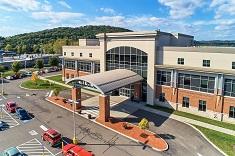
As the region’s Comprehensive Stroke Center, UHS is joining national efforts to raise awareness about stroke prevention, recognition, and rapid response.
Understanding Stroke Risk
Research shows that up to 90 percent of strokes are linked to modifiable risk factors—things people can change or manage with medical guidance and healthy lifestyle choices.
The most significant risk factor is hypertension (high blood pressure), which accounts for nearly 48 percent of all strokes.
Notably, eight out of ten people experiencing their first stroke have high blood pressure. Knowing your numbers and keeping blood pressure under control is one of the most important ways to reduce stroke risk.
Unhealthy behaviors—such as physical inactivity, poor diet, smoking, and excess alcohol use—also significantly increase stroke risk. For example, smokers are two to four times more likely to experience a stroke than nonsmokers or those who quit more than 10 years ago.
During Stroke Awareness Month, UHS encourages everyone to evaluate their personal risk factors and commit to at least one healthy change to lower their risk.
Potential Reduction in Stroke Risk If Risk Factors Are Eliminated
- Hypertension: 47.9%
- Physical inactivity: 35.8%
- High lipids (blood fats): 26.8%
- Poor diet: 23.2%
- Obesity: 18.6%
- Smoking: 12.4%
- Heart related causes: 9.1%
- Alcohol intake: 5.8%
- Stress: 5.8%
- Diabetes: 3.9%
Know the Signs: Think BEFAST
Reducing risk is only part of the equation. Recognizing stroke symptoms quickly and calling 911 immediately can save brain function—and lives. However, fewer than half of 911 calls for stroke are made within the first hour, and many callers fail to identify stroke as the cause.
Expert clinicians at UHS emphasize the importance of the BEFAST acronym, an expanded version of FAST that captures additional warning signs:
B – Balance: Sudden dizziness, trouble walking, or loss of coordination
E – Eyes: Sudden vision loss or changes in one or both eyes
F – Face: Ask the person to smile. Does one side droop?
A – Arms: Ask them to raise both arms. Does one drift downward?
S – Speech: Is speech slurred or difficult to understand?
T – Time: If you notice any of these signs, call 911 immediately
Stroke Can Happen at Any Age
A common misconception is that stroke only affects older adults. While risk does increase with age, strokes can occur at any time. Approximately 15 percent of strokes occur in young adults and adolescents.
The Time to Act Is Now
Stroke remains a leading cause of long-term adult disability and the fifth leading cause of death in the United States—yet many people still cannot correctly identify the warning signs. During National Stroke Awareness Month, UHS encourages everyone to learn the risk factors, recognize the symptoms, and act fast.
Knowing BEFAST—and sharing it with family, friends, and coworkers—could save a life, including your own.
To learn more about UHS Stroke services, click here.